

EN
-
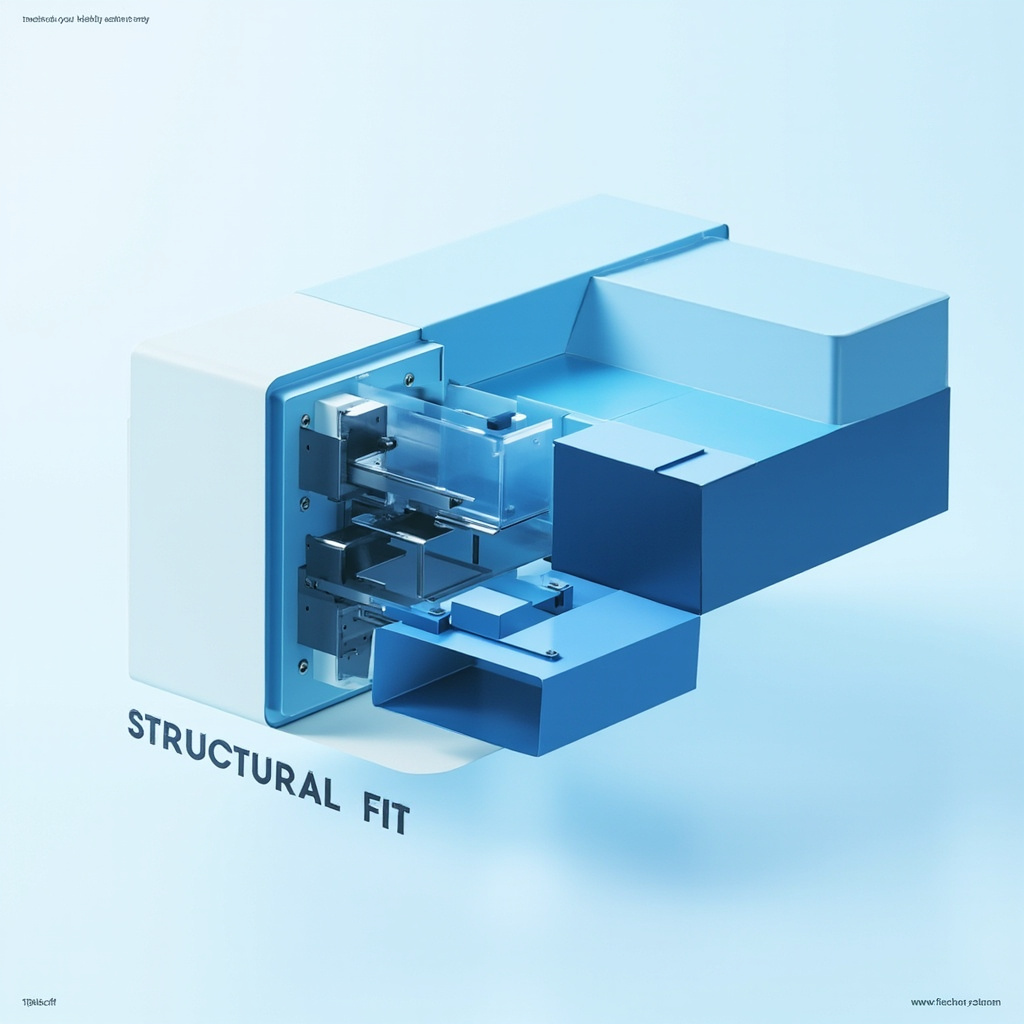
Q: How should industrial design and structural design cooperate to avoid rework?
Appearance and structure are not sequential but parallel calibrations. The earlier the involvement of interfaces, wall thickness, assembly, and process constraints, the less rework will be needed.
2026-07-28 -
Q: Is prototyping necessary? At which stages is it most cost-effective?
Not All Projects Require Multiple Rounds Of Prototyping, But Verifying Key Risk Points With Physical Prototypes Often Saves More Total Time Than "Looking Right On Screen".
2026-07-26 -
Q: How can appearance design balance brand recognition with cost control?
Brand Identity Comes From Repeatable Formal Language, Not Excessive Material Use. By Converging Recognition Points To A Few Key Designs And Craftsmanship, Costs Can Be Controlled.
2026-07-24 -

Q: What preparations are needed in advance for medical/certified product design?
Certification Is Not A Late-Stage Labeling Process. Material, Structural Sealing, Human-Machine Interaction, And Traceability Requirements Should Be Written Into The Design Boundaries From The Definition Stage.
2026-07-22 -

Q: How do industrial design companies generally collaborate from concept to mass production?
Good Collaboration Means Clear Stages and Traceable Decisions. Clients Are Responsible for Goals and Trade-offs; Designers Are Responsible for Solutions and Implementation Paths.
2026-07-20 -

Q: How to achieve a "premium feel" in consumer electronics design?
Premium Feel Usually Comes from Proportions, Precision, and Detail Consistency, Not Just "More Expensive Materials".
2026-07-18 -
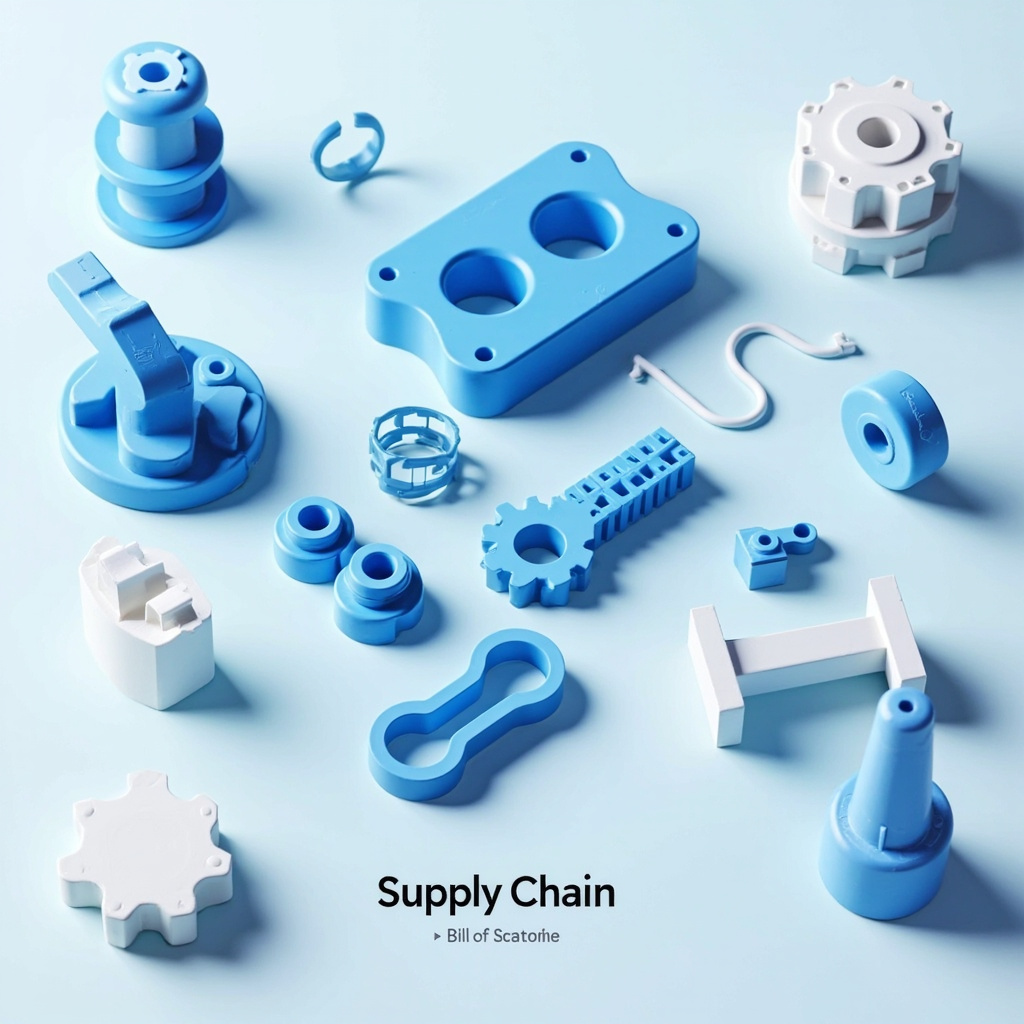
Q: Should supply chain be considered during the design phase of smart hardware products?
Design Determines Tooling, Assembly, And Procurement; The Earlier The Supply Chain Is Involved, The Lower The Mass Production Risk.
2026-07-16 -
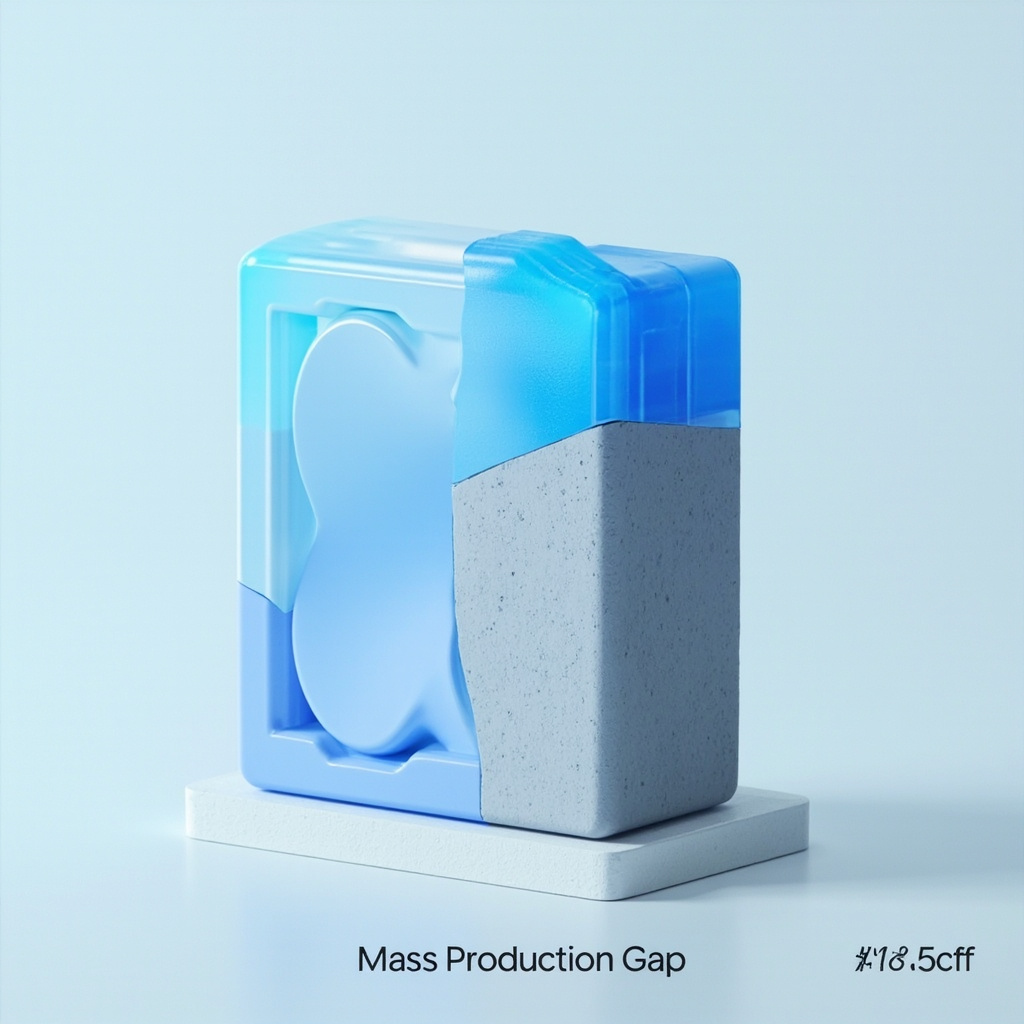
Q: Why does the mass-produced product look different from the attractive renderings?
Most Issues Are Not "Factory Deliberately Cutting Corners" But Lack of Clear Tolerance, Process, and Real Material Constraints in the Rendering Stage.
2026-07-15 -
Q: How long does industrial design generally take? What determines the cycle?
No Fixed Number of Days. The Cycle Depends on Clarity of Requirements, Category Complexity, Certification Constraints, and Decision Efficiency, Not Just "Drawing Speed".
2026-07-14 -
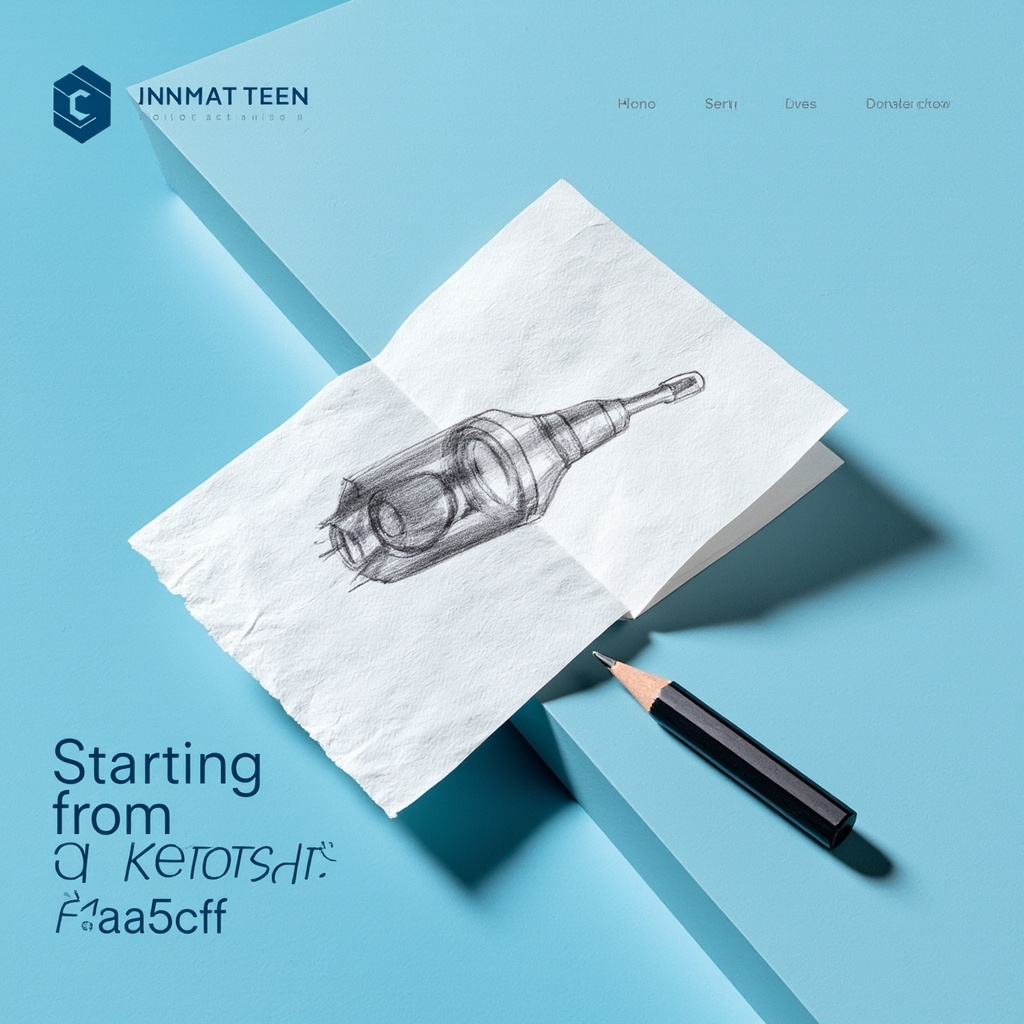
Q: Can design begin with just ideas and sketches?
Yes, but use the "definition phase" to turn ideas into executable goals. Otherwise, design will keep wavering in direction.
2026-07-04