

EN
-

What Is DFM: Why Design Should Consider Manufacturing in Advance
DFM (Design For Manufacturing) Moves Mold Opening, Assembly, Tolerance And Process Limitations To The Conceptual Stage, Reducing "Looks Good On Paper, Cannot Be Made".
2026-07-28 -

How Ergonomics Is Implemented in Consumer Hardware
Ergonomics Is Not Just About "Comfortable Grip" - It Involves Verifiable Metrics Like Size, Center of Gravity, Pressure, and Usage Posture.
2026-07-26 -
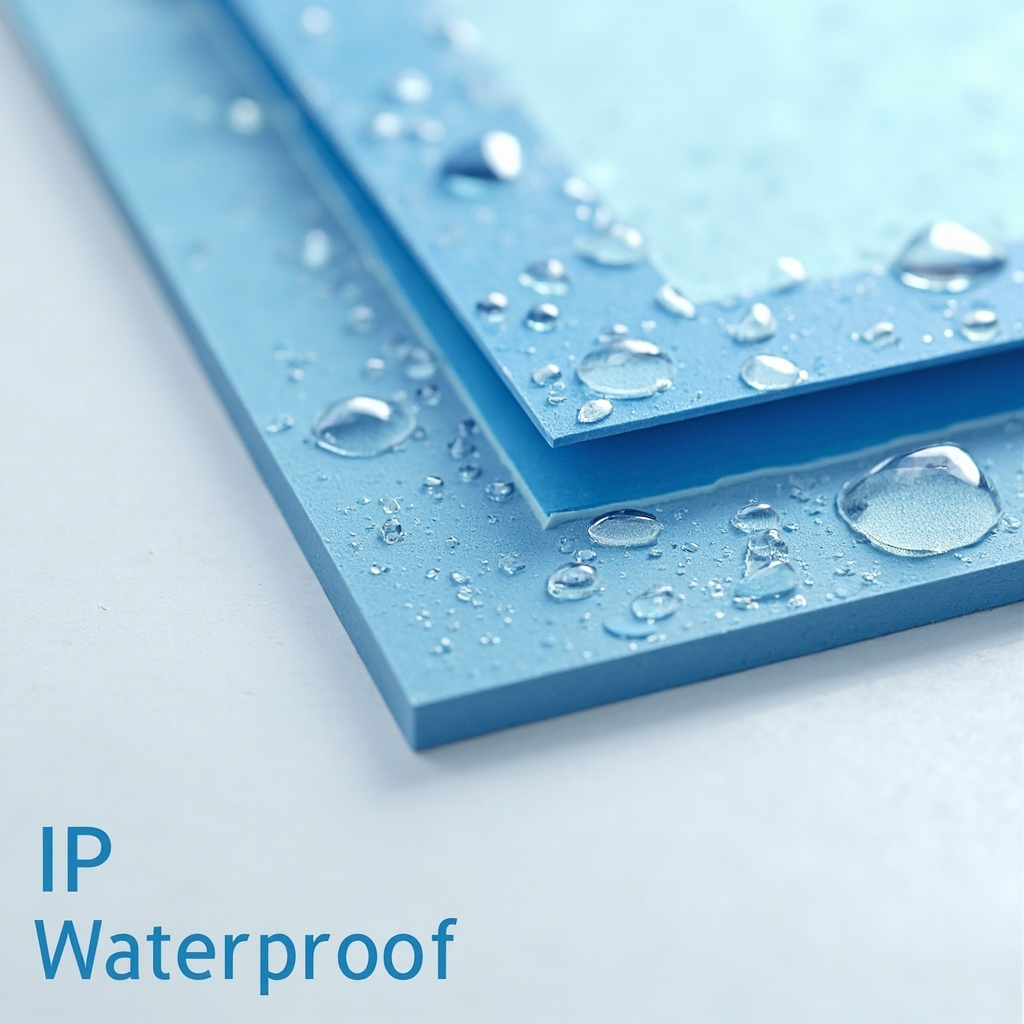
IP Waterproof Rating: How to Reserve Gaps in the Appearance
Waterproofing cannot be fully addressed through post-production sealing. The mold parting lines, buttons, ports, and speaker openings determine the achievable IP rating limit.
2026-07-24 -
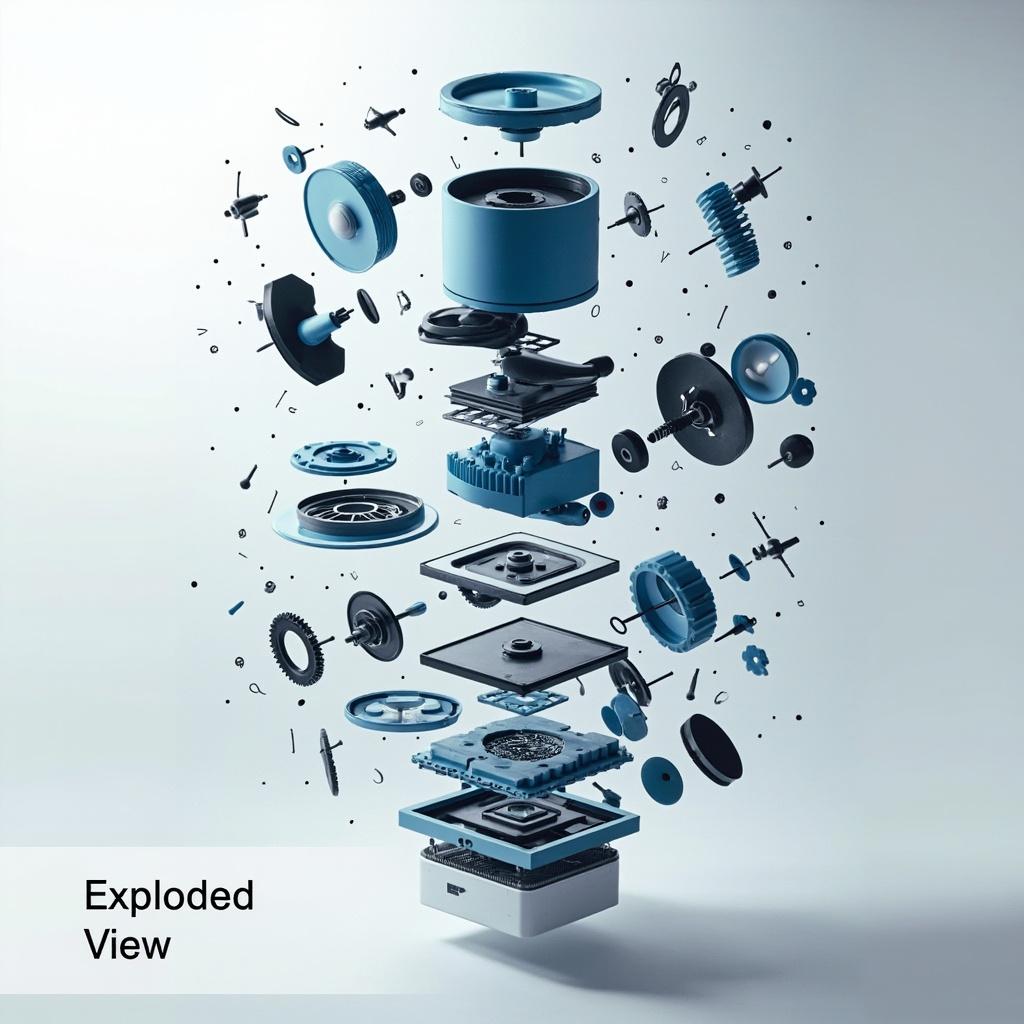
Exploded Views and Structural Descriptions: What Clients Review
Exploded views are not for show, but to make assembly relationships, maintenance paths, and part hierarchies clear, facilitating decision-making and supply chain communication.
2026-07-22 -
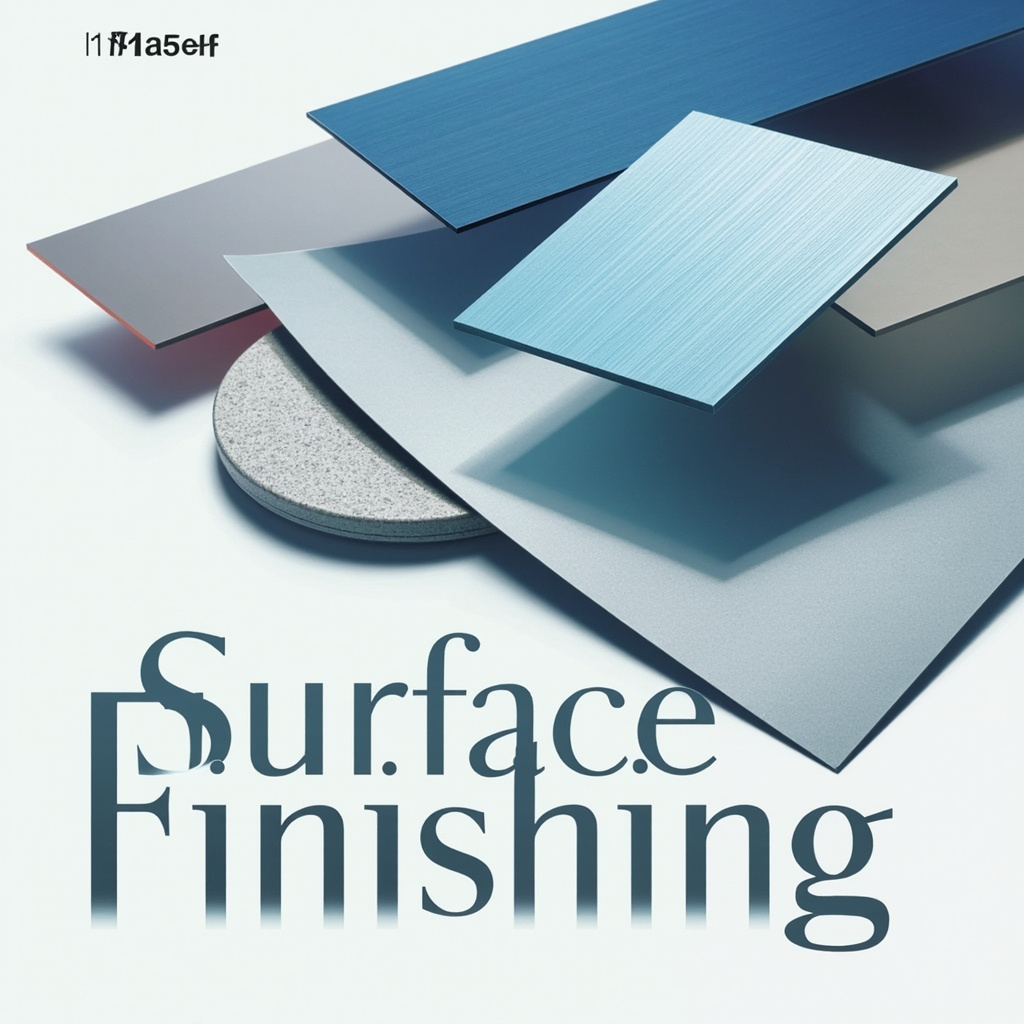
Spraying, Anodizing, IMD: How to Choose
Surface Treatment Determines Durability And Texture, As Well As Yield Rate. Selection Should Consider Appearance Goals, Substrate, And Target Factory Capabilities.
2026-07-20 -
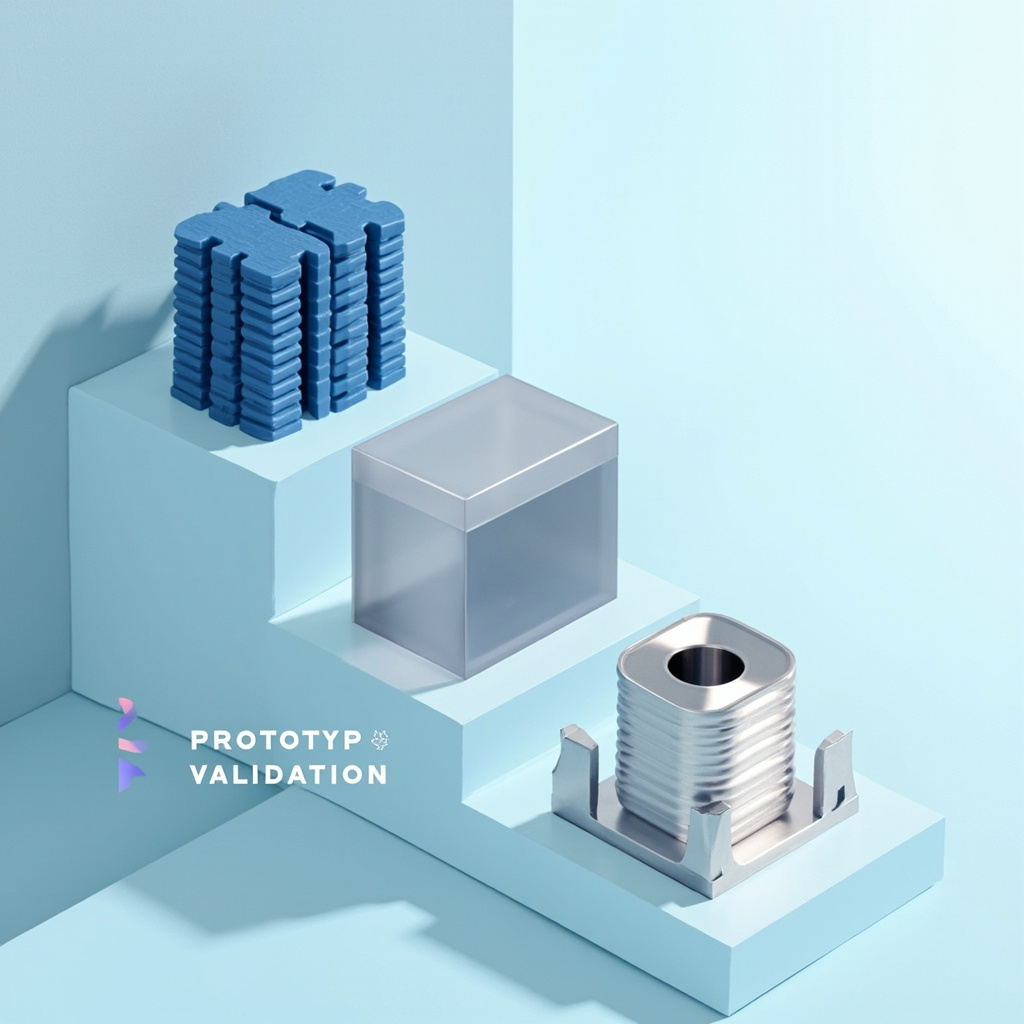
Handboards, Soft Tools, Steel Tools: How to Choose the Three Verification Methods
Different Stages Require Different Precision Of Physical Verification. Choosing The Wrong Verification Method Will Either Waste Budget Or Leave Risks For Mold Making.
2026-07-18 -

Industrial Design and Appearance Design: Where Is The Boundary
Appearance Design Focuses On Form And Visual, Industrial Design Also Includes Usage Process, Human-Computer Interaction And Business Goals. Aligning Boundaries Before Procuring Services Can Prevent Expectation Misalignment.
2026-07-18 -
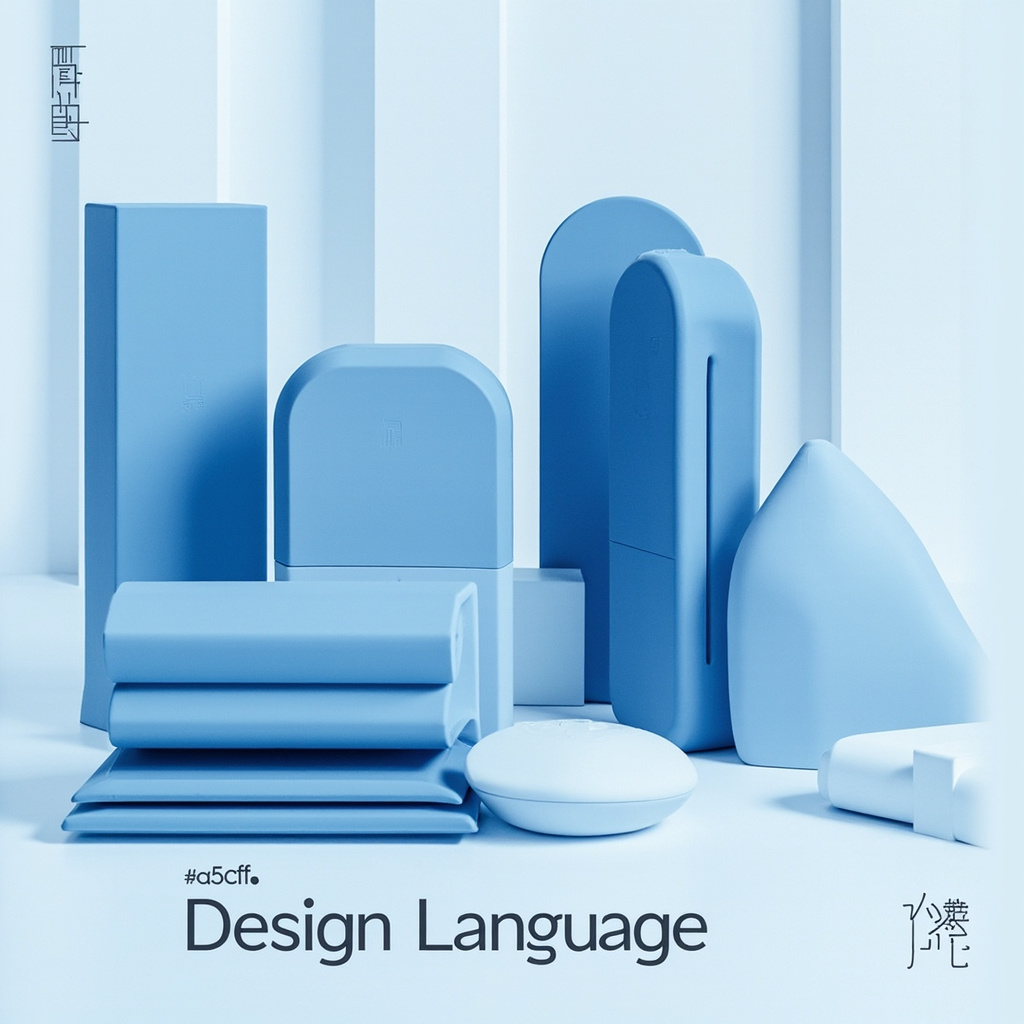
Product Naming and Serialization: How to Unify Design Language
Serialization is not just about changing colors. Unified proportions, feature lines, and CMF rules are essential for instant product line recognition.
2026-07-15 -

Pre-Mold Checklist: Avoid These 10 Pitfalls
Mold making is a high sunk cost milestone. Use a checklist to align appearance, structure, process, and acceptance criteria at once, which is cheaper than rework.
2026-07-12 -
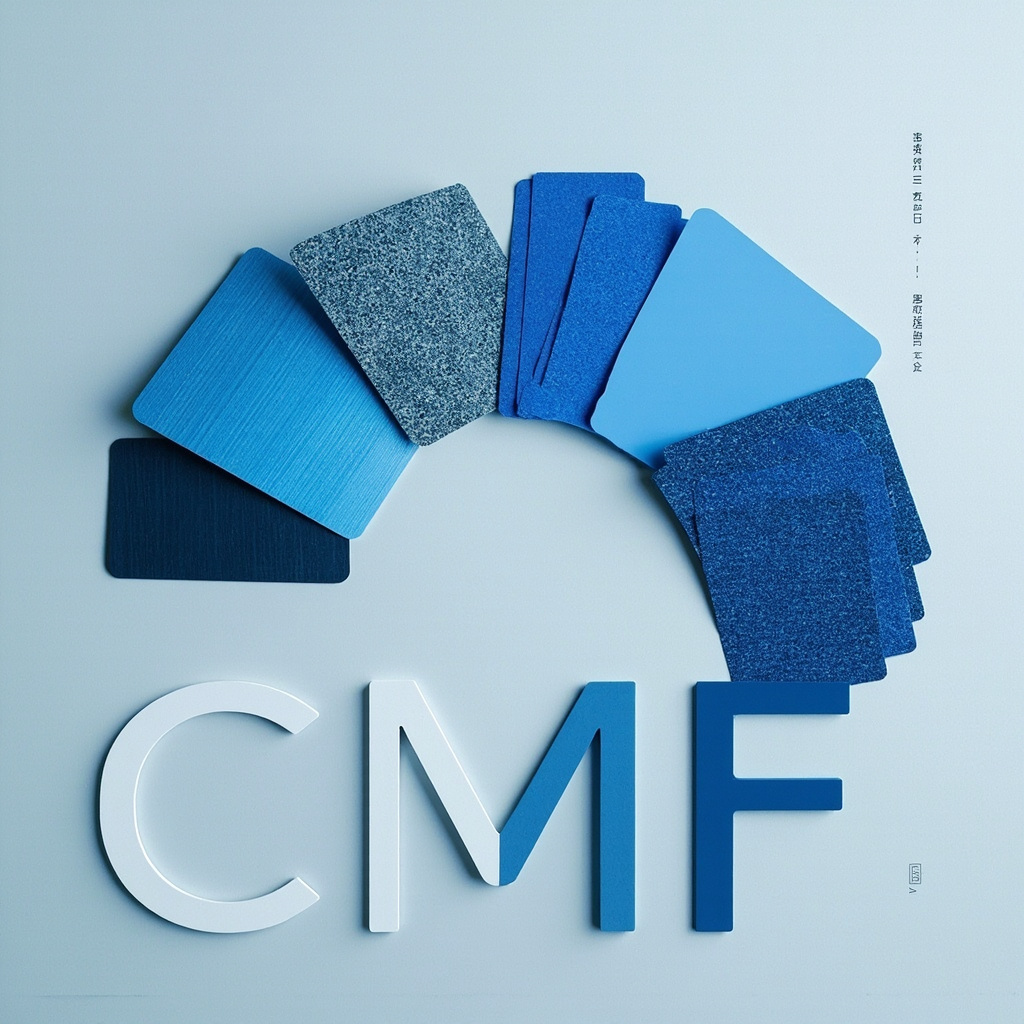
What Is CMF: How to Make Decisions on Color, Material, and Finish Together
CMF is Not Just About "Pretty Materials," But a Combination Decision of Color, Material, and Surface Treatment in Terms of Cost, Touch, and Brand Recognition.
2026-07-10